Energy resilience and independence are often framed as environmental choices: Installing solar leads to reduced emissions and a smaller footprint. Those outcomes still matter, but they don’t tell the whole story.
Today, energy resilience is increasingly becoming a business advantage.
As demand for electricity ramps up, the conversation isn’t just focused on where power comes from. It’s whether power will be available at all, when and where it’s needed. And organizations with an answer to that question are gaining an edge.
Energy as a Strategic Resource
For decades, we’ve been able to operate under the assumption that electricity will always be available, and rightfully so. Power has been something we plug into, not something we necessarily need to plan around. As businesses, we’ve taken easy access to electricity for granted, but that may not be the case going forward.
After decades of relatively predictable electricity growth, utilities in the U.S. are now preparing for a new wave of demand driven by AI infrastructure, electrified transportation, advanced manufacturing, and population growth. The International Energy Agency (IEA) estimates that U.S. data centers alone could account for nearly half of electricity demand growth through 2030.
But the headlines about AI data centers drawing exorbitant amounts of power point to a larger reality: Energy is becoming a strategic resource again. The challenge isn’t that we’re running out of electricity, but that energy is no longer guaranteed to be available in the right place, at the right time, and at the right cost.
Reliability Is the New Efficiency
Energy conversations tend to focus heavily on efficiency and how we can consume less. That’s still important, but reliability is emerging as an even more valuable metric.
Campgrounds will have trouble booking guests if power is unreliable, disaster response teams don’t have time to wait for utility upgrades, and remote workforce camps can’t pause operations because grid infrastructure hasn’t caught up. In each of these scenarios, the cost of unavailable energy exceeds the cost of energy itself.
The organizations that can operate independently of utility constraints gain something increasingly valuable: reliability. They can deploy faster, expand into more locations, and continue operating even when their competitors can’t.
Infrastructure Is Becoming More Distributed
The broader economy is already moving toward distributed systems, from distributed workloads through cloud computing to distributed talent through remote work. And energy is following a similar path.
Instead of relying exclusively on large centralized systems, more organizations are investing in distributed power generation, storage, and management. Not because they want to disconnect from the grid entirely, but because they want more control over their operations.
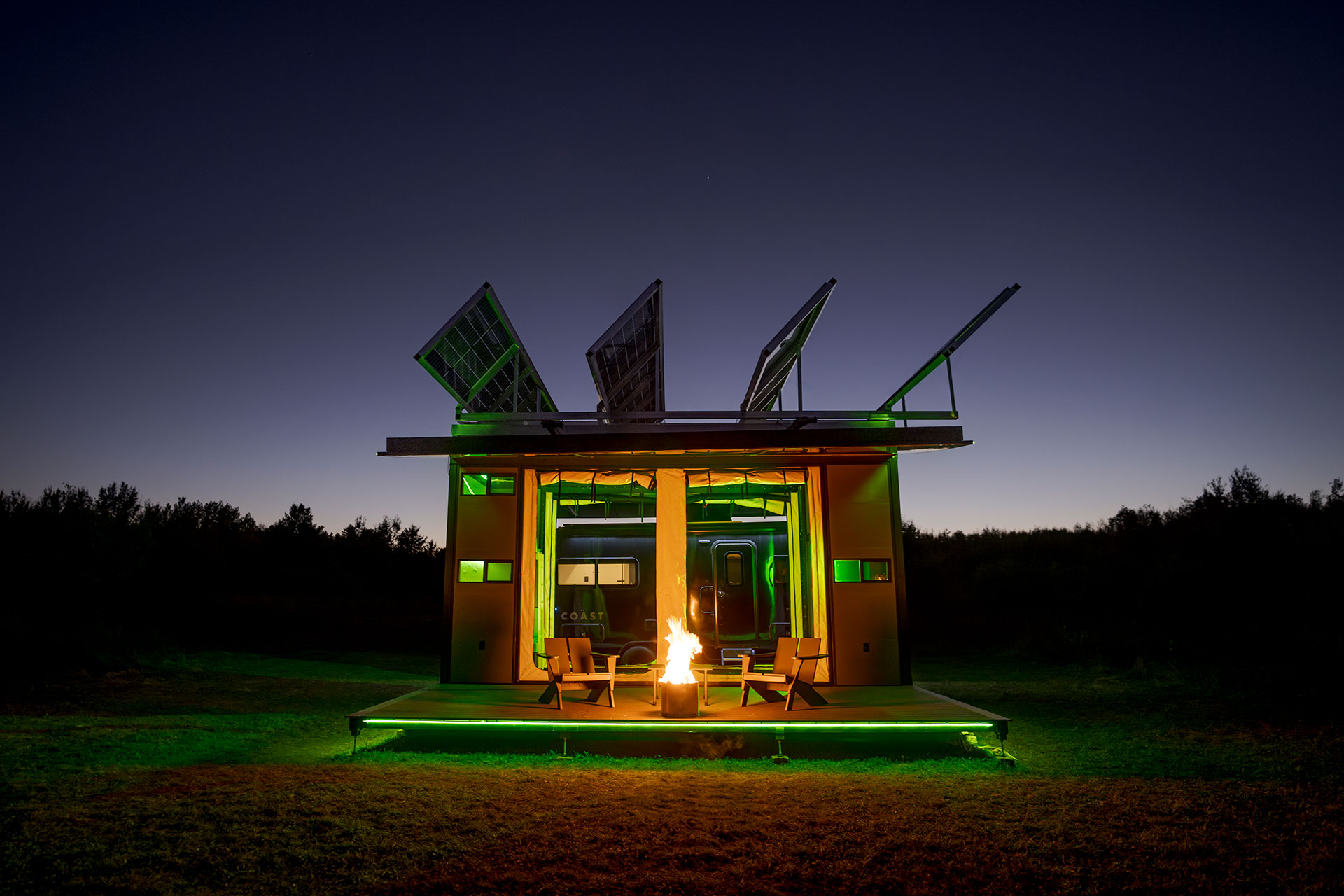
While the future is unlikely to be fully centralized or fully off-grid, we see clear benefits of a hybrid model where infrastructure can operate independently when necessary and connect when advantageous. This includes off-grid hospitality businesses operating on microgrids, with the option of providing surplus energy back to the grid.
The organizations that embrace this flexibility will be better positioned to adapt as energy demands continue to evolve.
Creating Economic Opportunity
Perhaps the most overlooked benefit of energy independence is what it makes possible. Development traditionally follows infrastructure. Roads, utilities, water systems, and power lines have determined where businesses can operate and where communities can grow.
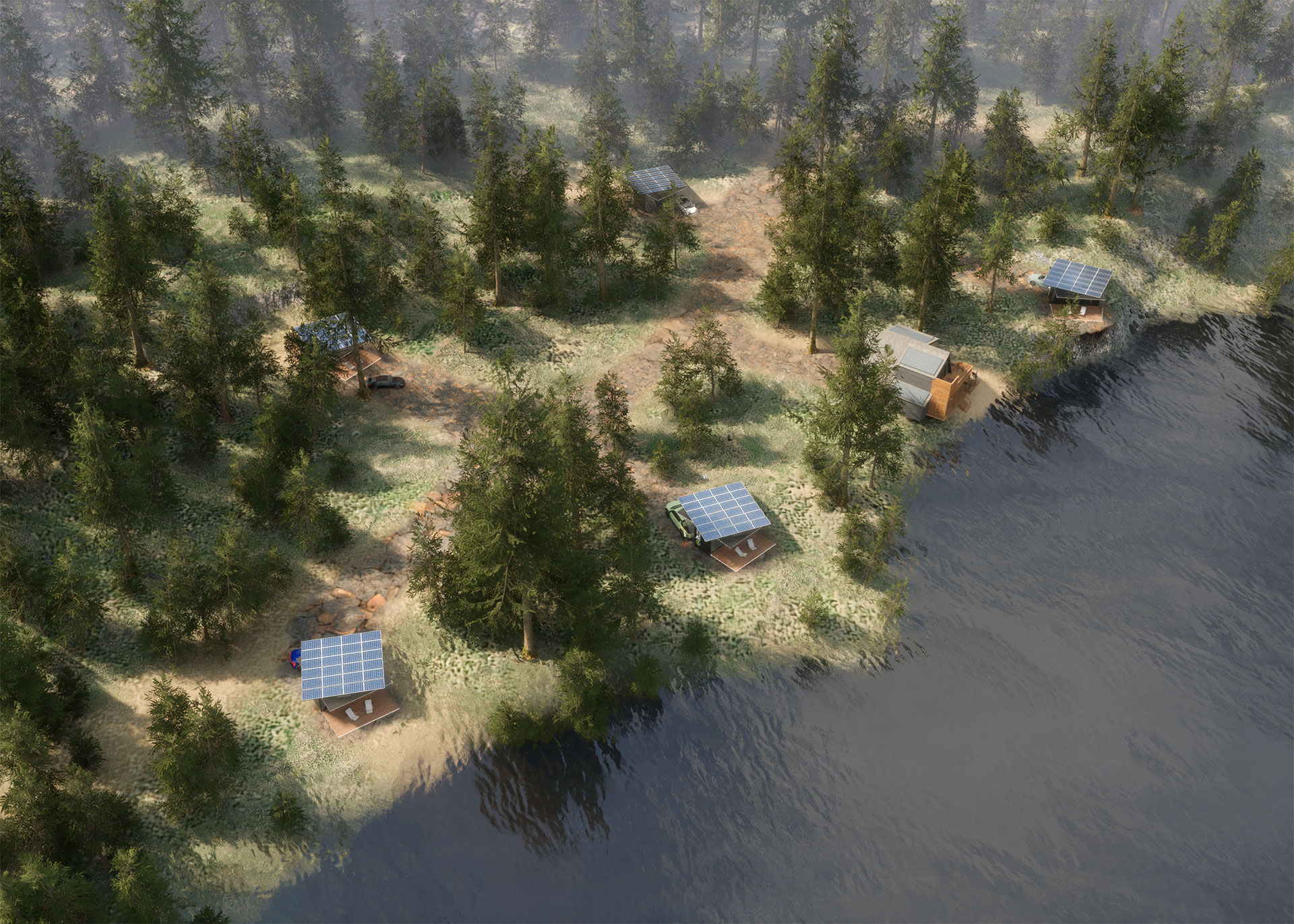
But when energy can be generated and managed locally, it opens the door for new economic opportunities and communities, even in remote areas. Previously underutilized destinations can become home to viable hospitality businesses, and underserved public lands can support new visitor experiences. Additionally, emergency response infrastructure can be deployed where it’s needed most, not just where utilities already exist.
As infrastructure becomes less constrained by geography and more deployable, economic opportunity follows.
A Different Way to Think About Growth
At Electric Outdoors, we spend a lot of time thinking about this question: What becomes possible when infrastructure can go almost anywhere? The answer is bigger than outdoor hospitality.
Enabling on-site power and water generation, remote system monitoring, and rapid deployment means unlocking new destinations, expanding public land access, accelerating disaster response, and creating economic opportunities in places that have previously been constrained by infrastructure costs.
In other words, making growth possible where it wasn’t before.
→ To learn more about Electric Outdoors’ distributed energy systems, contact us today.